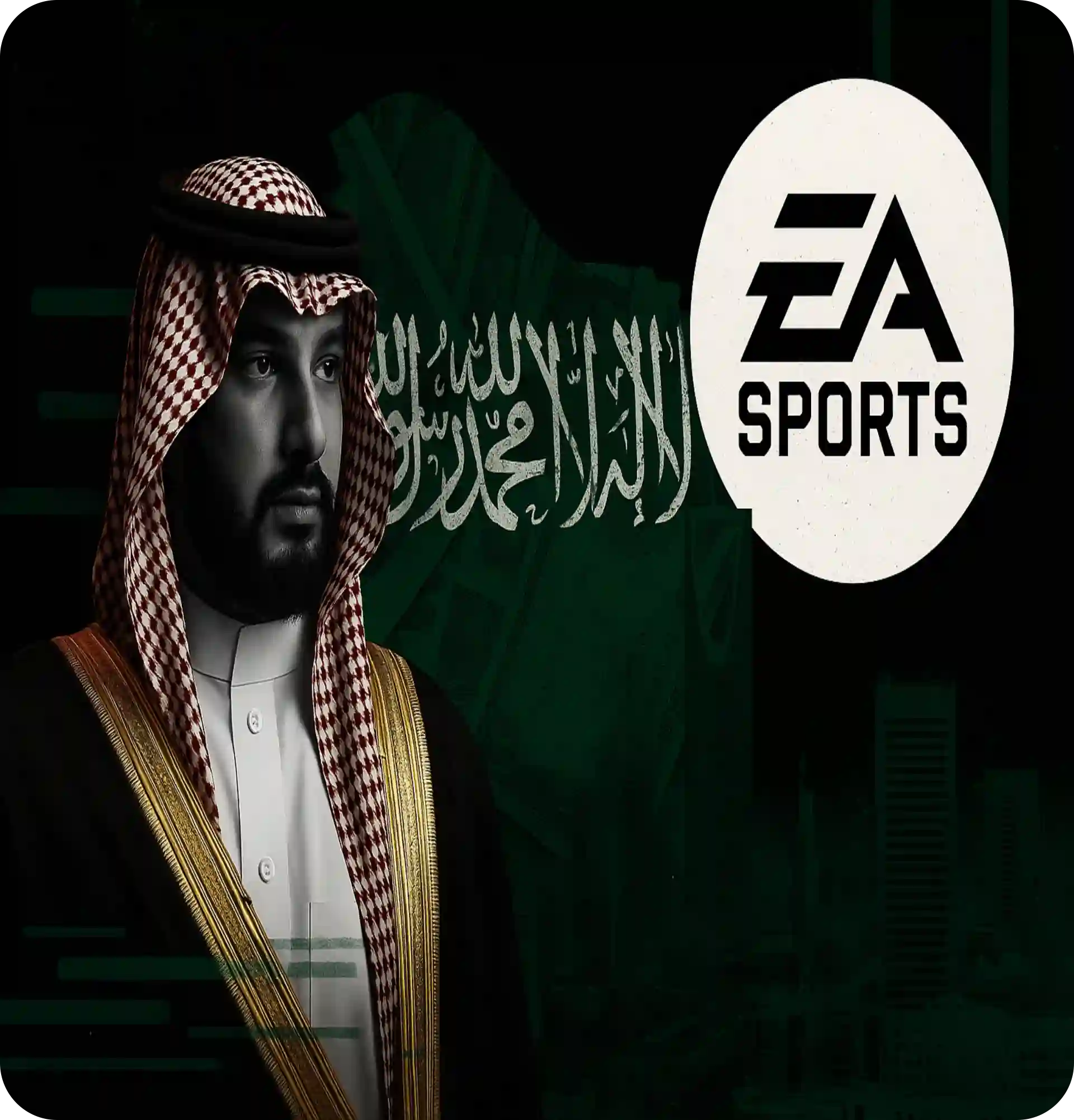
What just happened? Major buyout deal with Public Investment Fund (PIF)
In a blockbuster move, EA — maker of franchises like FIFA/FC, Battlefield, and The Sims — agreed to a $55 billion leveraged buyout. The deal is led by Saudi Arabia’s Public Investment Fund (PIF), alongside private investors Silver Lake and Affinity Partners.
A new regulatory filing reveals that after completion, PIF will hold about 93.4% of EA’s shares — effectively giving Saudi Arabia near-full control over the gaming giant. Silver Lake and Affinity will hold minor stakes (roughly 5.5% and 1.1%) respectively.
For context: prior to the deal, PIF already held about 9.9% of EA.
What This Means — The Strategic Shift
From public company to effectively state-controlled private entity
If the acquisition closes, EA — publicly traded for decades — will be taken private. With PIF owning 93.4%, control will shift decisively. That means decisions, strategy, and long-term planning could reflect not only business logic but also broader strategic interests.
Gaming becomes part of a national diversification and entertainment strategy
This deal aligns with Saudi Arabia’s long-term push to diversify its economy away from oil and invest heavily in entertainment, media, and digital sectors. EA is a major global entertainment brand; owning it gives PIF a strong foothold in Western gaming culture and worldwide influence.
Potential for heavy restructuring under new ownership
Because this is a leveraged buyout (i.e. financed largely with borrowed money), buyers may aim to restructure EA — cutting costs, focusing on profitable franchises, reducing risk, or shifting priorities in how games are developed or monetized. Some reports already warn PIF may face liquidity pressure due to other investments.
What This Could Mean for Gamers, Developers & Industry
For AAA fans / players:
- EA may double down on its blockbuster franchises (sports, shooters, live services) — probably safer bets over experimental indie-style games.
- Expect potential changes in release strategy, monetization, regional focus (possibly more Middle East–oriented content).
- Risk that under-performing or niche titles get shelved or receive less support.
For developers & studios:
- Increased corporate oversight — greater emphasis on ROI, speed, perhaps fewer creative risks.
- Pressure to conform to the new parent’s strategic objectives, which may affect content direction, localization efforts, and global distribution priorities.
- Potential for new investments in studios that align with PIF’s vision of global entertainment expansion — but likely with tight financial discipline.
For the gaming industry globally:
- This is a sign that big money (state-level, sovereign wealth funds) sees video games as a long-term entertainment/investment asset. Could attract more non-traditional investors.
- Could accelerate consolidation — smaller studios might be absorbed into large parent entities with global reach.
- Raises ethical, cultural, and creative concerns about foreign state control over a company producing globally consumed entertainment.
Pros & Cons
Pros:
- Fresh capital and global expansion potential — may improve production quality and global outreach.
- Stability for major EA franchises, reducing risk of collapse or mid-project cancellations.
- Access to new markets, broader investor backing, potential for cross-industry synergies (media, entertainment, culture).
Cons / Risks:
- Creative risk: pressure to prioritize profits may stifle innovation / risky projects.
- Cultural or regulatory controversy (some in West already expressed concern about “foreign influence”).
- Dependence on leveraged debt — may lead to cost-cutting, layoffs, or less favorable working conditions.
- Fans losing trust if content strategy shifts to monetization-heavy or region-biased games.
Our Take: A Turning Point — But Proceed With Caution
This deal could mark a turning point in how global gaming companies are owned: more cross-border, state-backed investment; more consolidation.
For EA, the PIF takeover could bring new resources, ambition, and global reach — but also risk losing the creative flexibility that made some of its franchises successful.
If handled wisely, this might lead to better production values, wider global games, and more stable long-term support.
If mishandled, it could lead to creative downturns, disappointing titles, or decisions driven by profit over player experience.
For gamers: keep an eye on future EA announcements — especially about game directions, studio closures, and regional content changes.
⚠️ Disclaimer
This article is for informational and entertainment purposes only. It does not constitute investment or financial advice.
Stay Ahead
For more gaming industry updates, deep dives, and behind-the-scenes analysis — keep following TopicTric. We track every major shift early and break down what it might mean for you.
About the Author