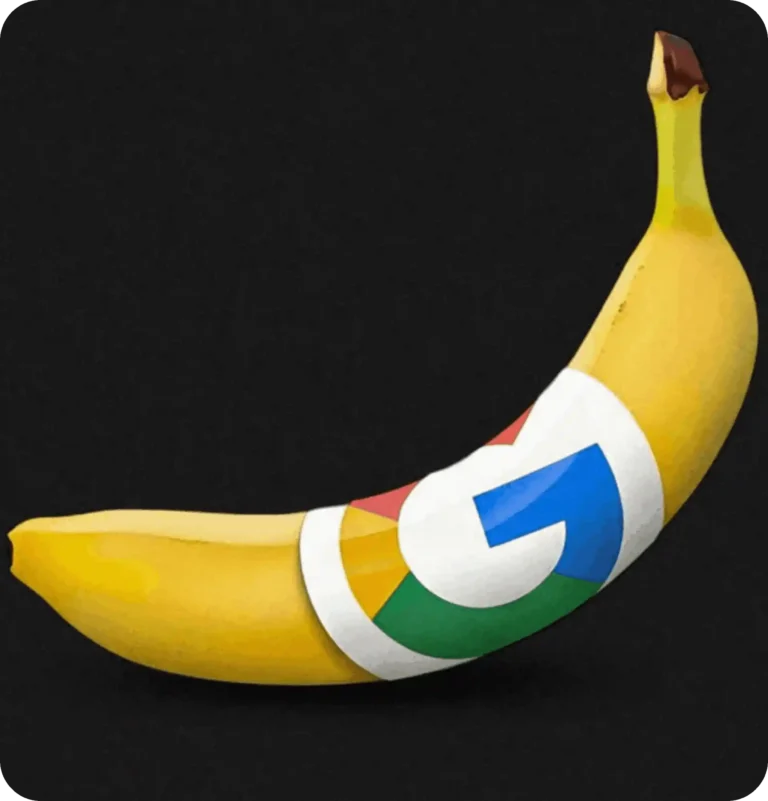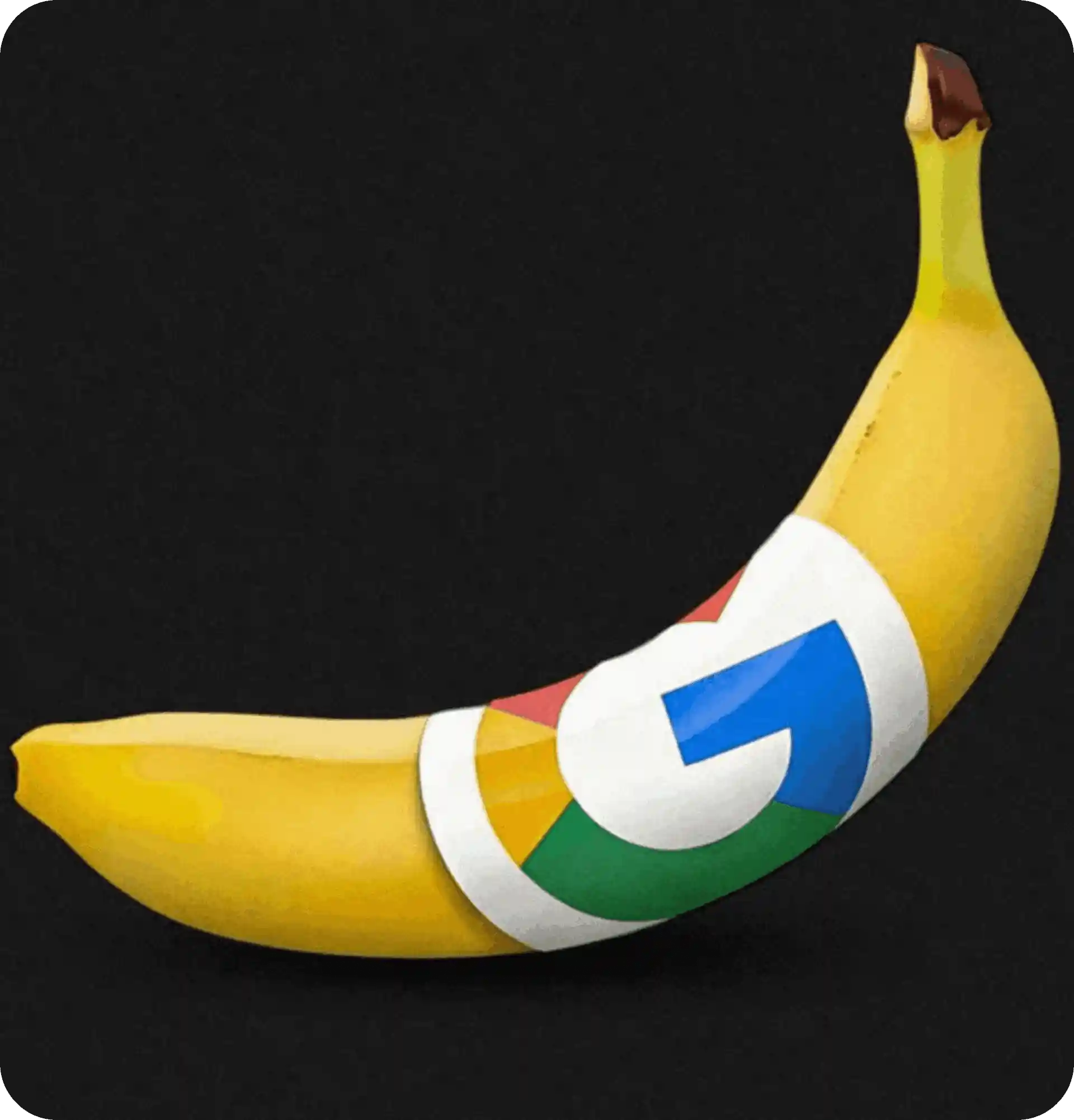
Google is preparing to launch Nano Banana 2 Flash in the coming weeks, marking one of the most interesting shifts in its AI ecosystem this year. The appearance of a new “Mayo” announcement inside Gemini’s web interface strongly suggests that the company is gearing up for a broader rollout of faster, lighter, and more mobile-friendly AI models. For users who rely on Google’s ecosystem for research, creativity, and on-device intelligence, Nano Banana 2 Flash could be a defining moment.
The excitement around Nano Banana 2 Flash isn’t about raw power alone — it’s about redefining how small, efficient AI models run across devices, from phones to Chromebooks to future wearables. Here’s what we know so far, and why this release matters for Google’s AI strategy.
What Is This?
This article explores Google’s plans to introduce Nano Banana 2 Flash, how it fits into the Gemini family, why the “Mayo” tag inside Gemini web is important, and what these changes signal for the future of lightweight AI experiences. It also breaks down how this update could affect developers, everyday users, and Google’s competitive position.
What’s New
Google’s internal pattern of code names and codenotes often signals upcoming features, and “Mayo” is the newest addition. Historically, these internal labels have marked transitions to new AI models or core operational upgrades inside Gemini.
The appearance of “Mayo” in the latest build points to:
- A major backend refresh preparing for Nano Banana 2 Flash
- Expanded compatibility for small-footprint AI tasks
- Increased integration between Gemini web and on-device models
- An upcoming shift in Google’s AI architecture
Nano Banana 2 Flash is expected to be faster, more optimized, and potentially capable of handling tasks that previously required larger models — but at a fraction of the cost and energy consumption.
How It Works
Nano Banana 2 Flash likely builds on the core principles of Google’s “Nano” model line: extremely compact, ultra-efficient AI models tailored for real-time interactions and offline use.
Here’s what this version may introduce:
1. Faster Response Time
The “Flash” suffix hints at reduced latency, especially in tasks like:
- Text classification
- Quick reasoning
- Device-level suggestions
- Summaries and contextual prompts
These improvements are crucial for mobile experiences.
2. Optimized Memory Use
Nano Banana 2 Flash may run on devices with limited RAM, allowing high-performance AI without draining battery life or overloading system resources.
3. Integrated On-Device and Cloud Workflow
Users may see seamless switching between:
- On-device Nano models
- Cloud-based Gemini models
- Local predictive prompts
- Hybrid processing based on task complexity
This hybrid approach is becoming one of Google’s strongest advantages.
Background
Google’s AI strategy is shifting toward tiered model availability:
- Ultra-large Gemini models for deep reasoning and creative tasks
- Mid-tier Gemini Flash for balanced performance
- Nano models for instant, lightweight tasks and offline usage
The original Nano Banana model was built for efficiency.
Nano Banana 2 Flash appears to be the evolution:
smarter, faster, more integrated, and more relevant for everyday device interactions.
This release is especially important as Google seeks to expand Gemini beyond chat into operating systems, mobile assistants, email composition, education, and productivity workflows.
Comparison: Nano Banana vs Nano Banana 2 Flash
| Feature | Nano Banana | Nano Banana 2 Flash |
|---|---|---|
| Speed | Moderate | Significantly faster |
| Memory usage | Low | Very low / optimized |
| Task complexity | Basic | Expanded, more contextual |
| Mobile performance | Strong | Stronger with lower latency |
| Integration | Limited | Likely deeper Gemini integration |
Nano Banana 2 Flash is shaping up to be a meaningful step in the direction of real-time AI experiences.
Pros & Cons
Pros
- Faster AI responses on mobile and lightweight devices
- Better battery efficiency
- More accurate context handling than earlier Nano models
- Ideal for quick tasks, offline operations, and background processes
Cons
- Limited compared to full Gemini models
- Not suited for long-form reasoning or large-context tasks
- Still dependent on Google’s future software optimization
- Developers may need time to adapt apps to the new architecture
What We Still Want to See
- Clear benchmarks against previous Nano releases
- Developer documentation explaining the “Mayo” backend shift
- Cross-platform compatibility for Android, ChromeOS, and WearOS
- Broader offline capabilities
- Integration options for third-party apps
If Google executes this well, Nano Banana 2 Flash could become the new standard for on-device AI.
Our Take: Why This Matters
The release of Nano Banana 2 Flash signals Google’s push toward a future where AI isn’t just powerful — it’s accessible everywhere. Instead of limiting high-quality AI to cloud-based supermodels, Google is betting on small models that are always available, always responsive, and deeply connected to user workflows.
The addition of “Mayo” on Gemini web reinforces this transition. It’s a hint that Google is preparing systems-wide changes, not just another model release. If Nano Banana 2 Flash delivers on its promise, it could reshape how AI operates on phones, tablets, and everyday devices, making Gemini more competitive and more widely adopted.
Conclusion
Nano Banana 2 Flash isn’t just another model update — it’s a strategic move toward lightweight, distributed AI intelligence. With the new “Mayo” infrastructure appearing on Gemini web, Google is clearly preparing for a rollout that blends speed, efficiency, and deeper integration across its platforms. Whether you’re a developer, a creator, or a casual mobile user, this update could redefine how AI fits into your daily workflow.
Stay Ahead
For more updates, insights, and breakdowns across tech, entertainment, and new trends, keep following TopicTric — we cover every major shift the moment it happens so you never fall behind.
About the Author